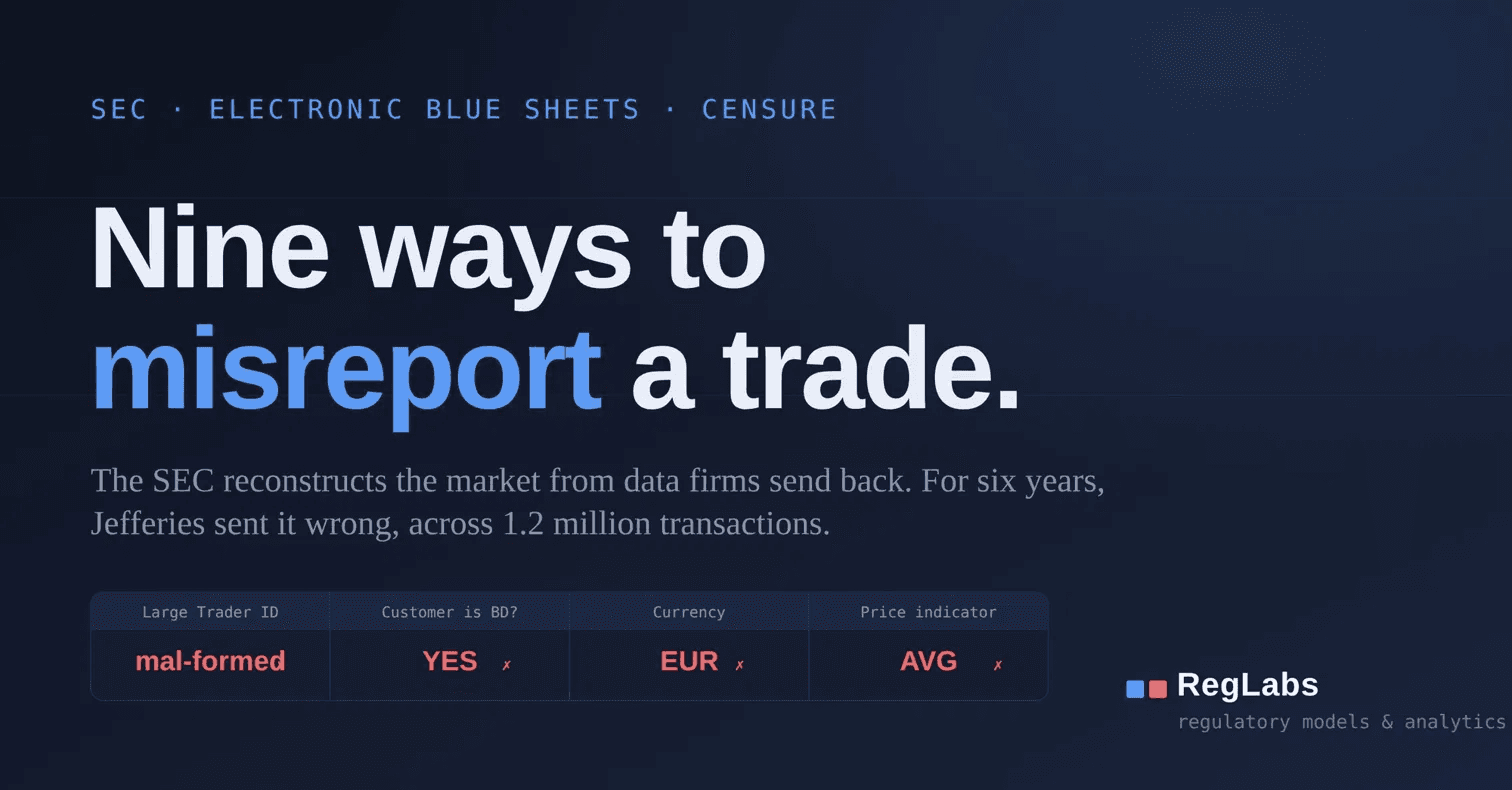
Nine ways to misreport a trade
The data the SEC uses to reconstruct the market came from the firms it polices. For six years, Jefferies sent it back wrong, across 1.2 million transactions, and no one caught it.

Regulatory intelligence for decision-makers
Analysis of the forces reshaping compliance, supervision, and financial markets.
24 Insights
Newest firstThe data the SEC uses to reconstruct the market came from the firms it polices. For six years, Jefferies sent it back wrong, across 1.2 million transactions, and no one caught it.
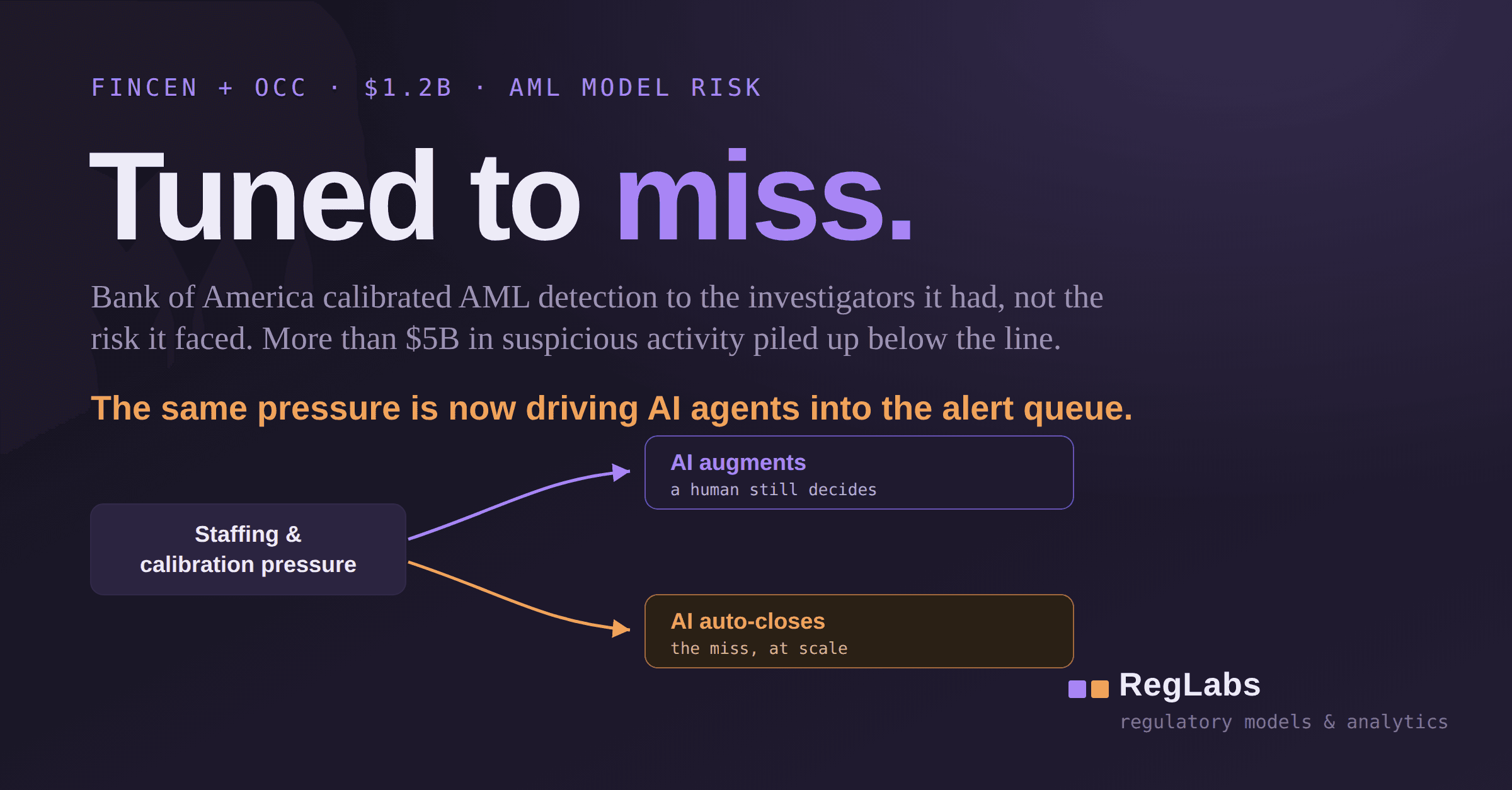
Bank of America built a transaction-monitoring model around the investigators it had, not the risk it faced. More than $5 billion in suspicious activity piled up just below the line, and it cost $1.2 billion to find out. The pressure that built it is the same pressure now driving AI agents into the alert queue.
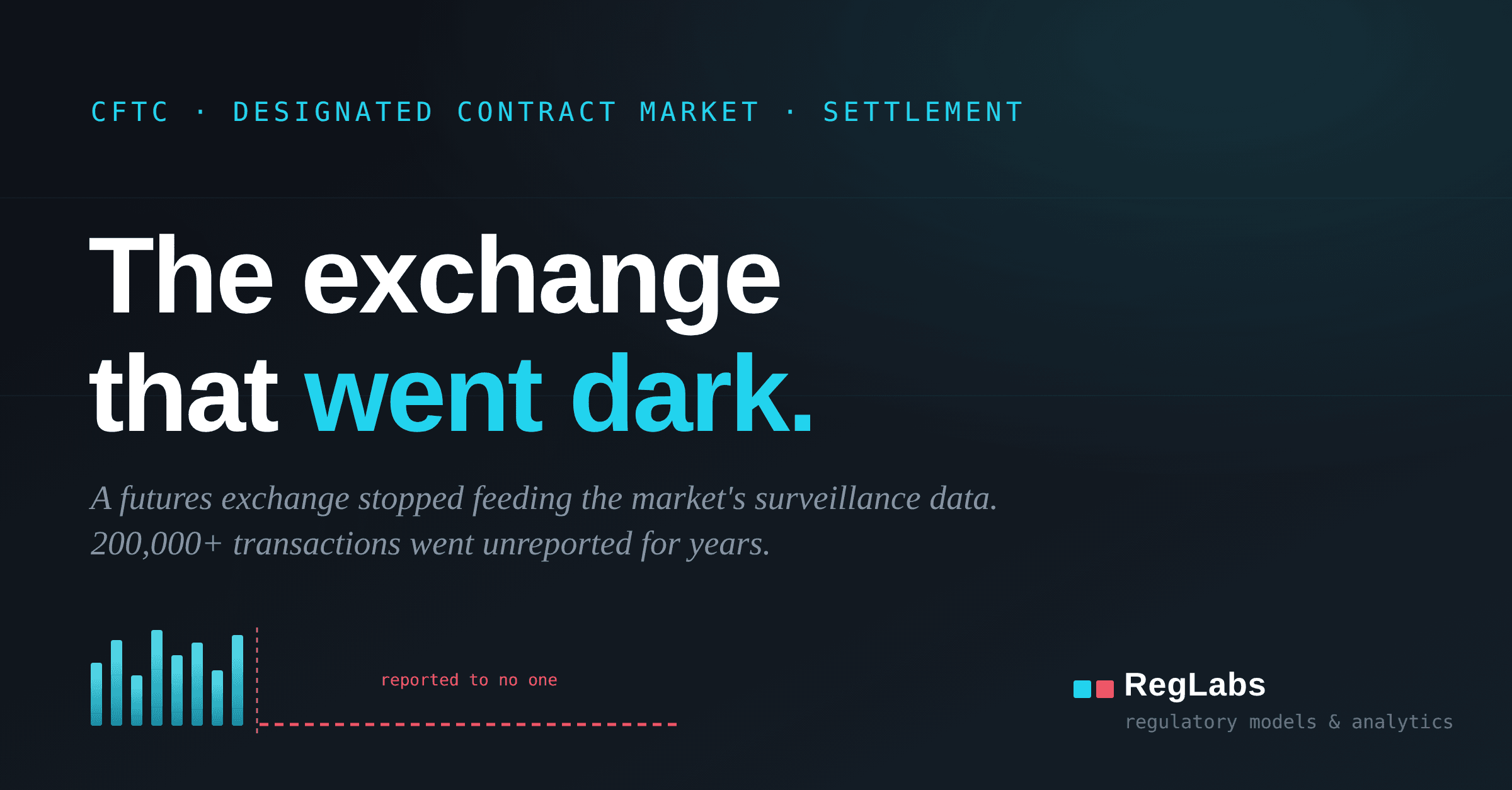
A futures exchange is a source node in the market's surveillance system. This one stopped feeding it, let its own safeguards hollow out, and won regulatory relief on a representation it should have known was false.
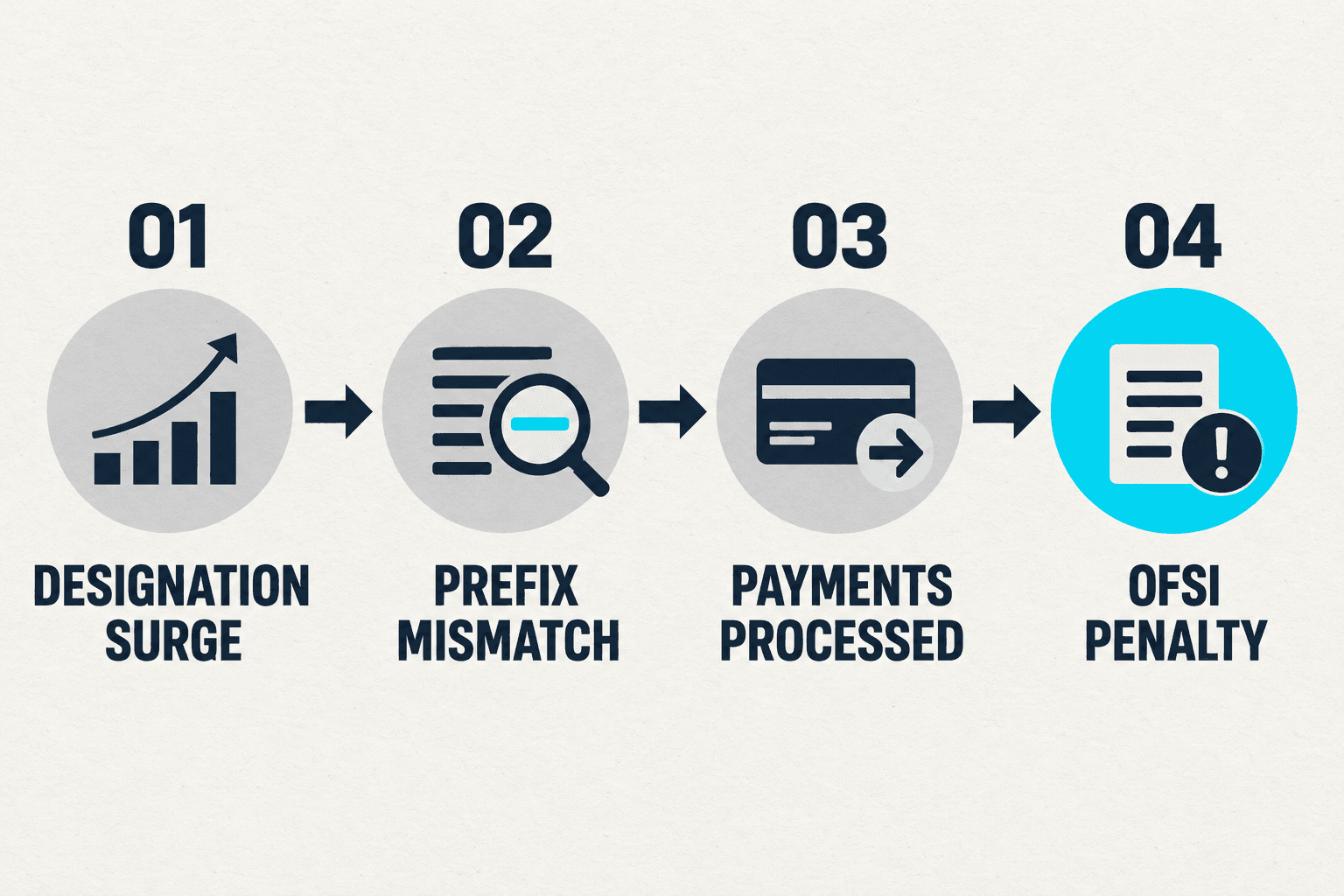
The UK's sanctions enforcer fined Citibank's London branch £4.73 million after its screening system decided that "Sovcomflot" and "PAO Sovcomflot" were different companies. In the strict-liability era, a calibration gap like that is all it takes.
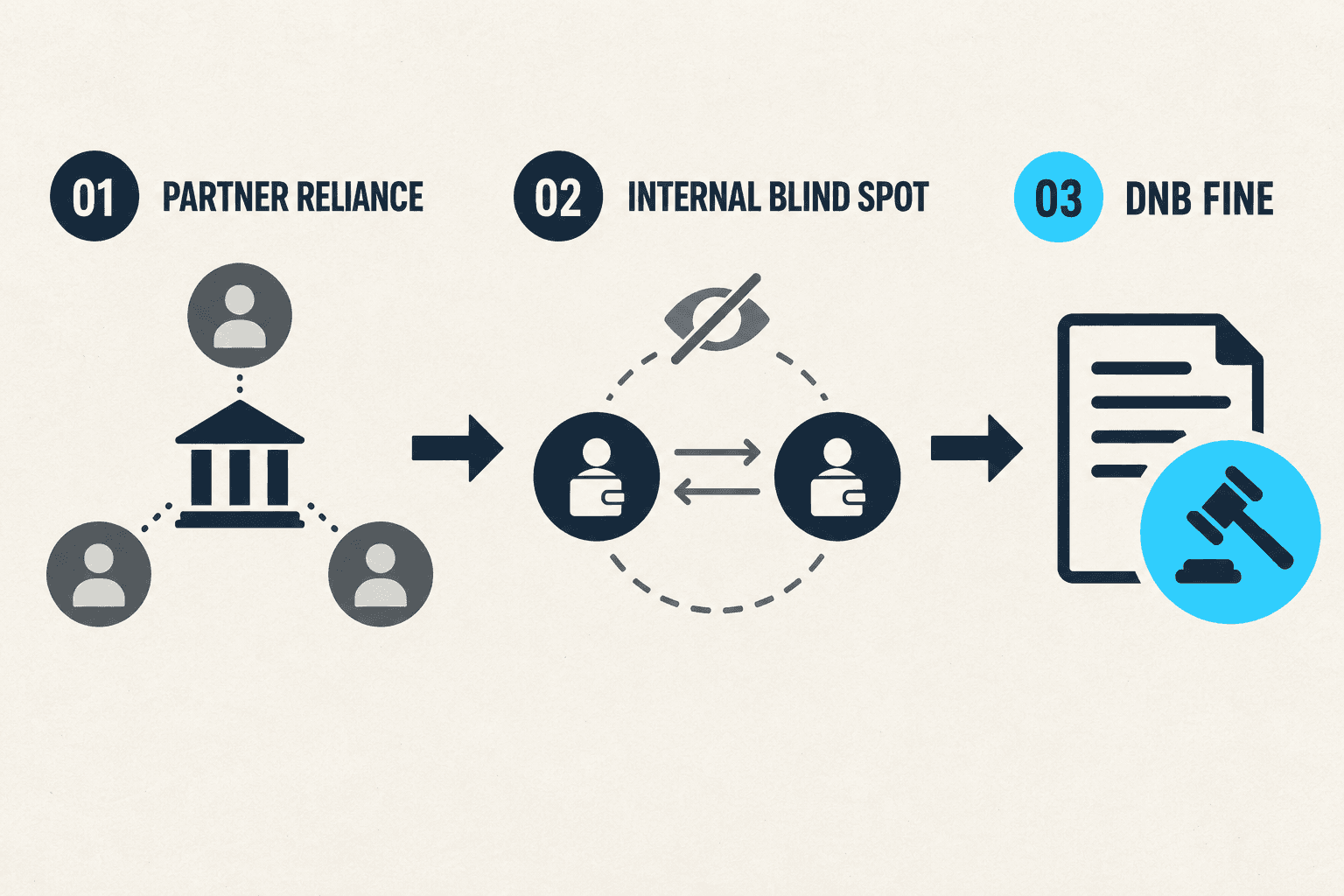
A Dutch e-money institution let the partners that referred its customers, including crypto platforms, do its transaction monitoring. De Nederlandsche Bank fined it for the one duty it could never delegate.
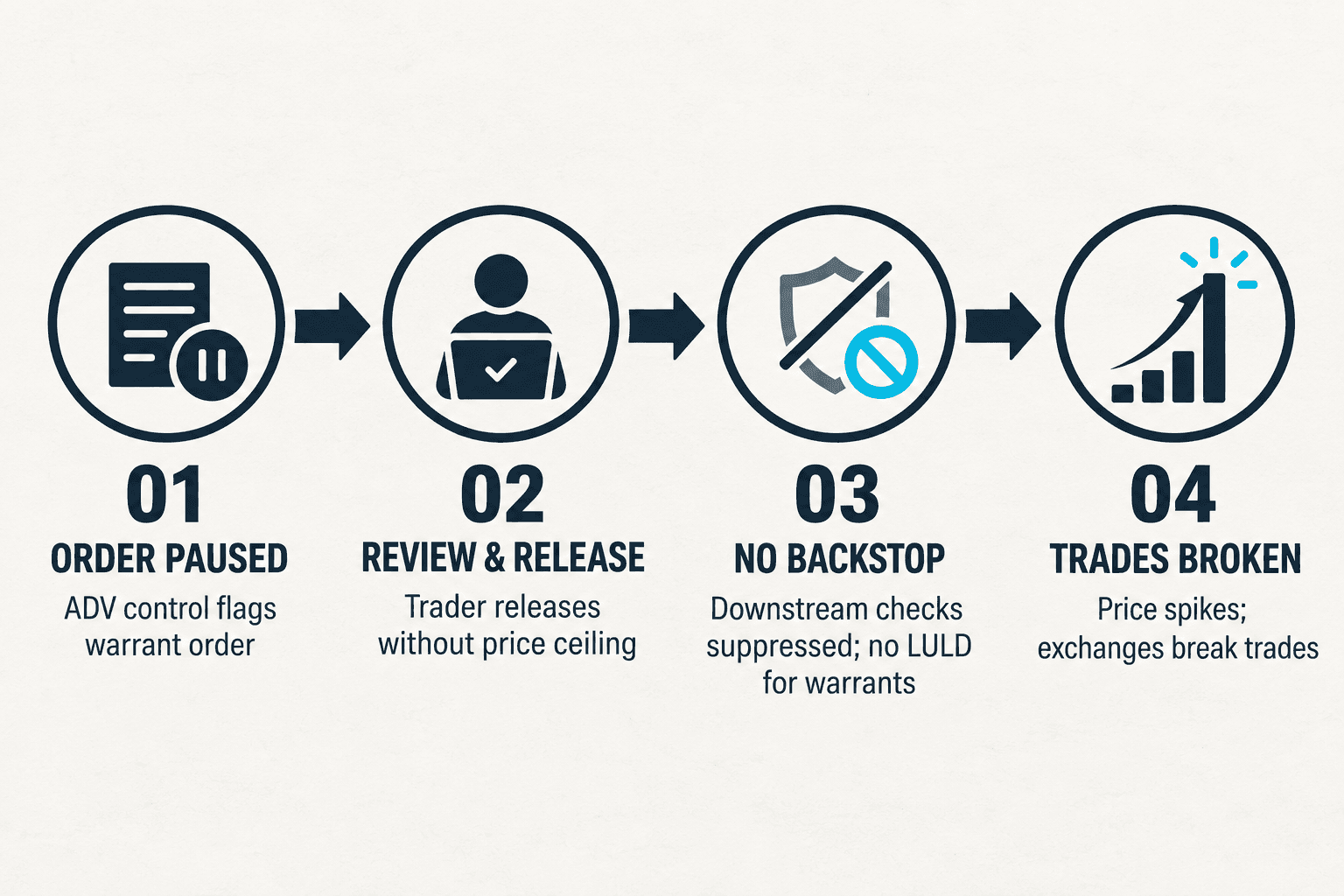
A single erroneous warrant order slipped past a firm's controls, not because a check was missing, but because one had switched itself off.
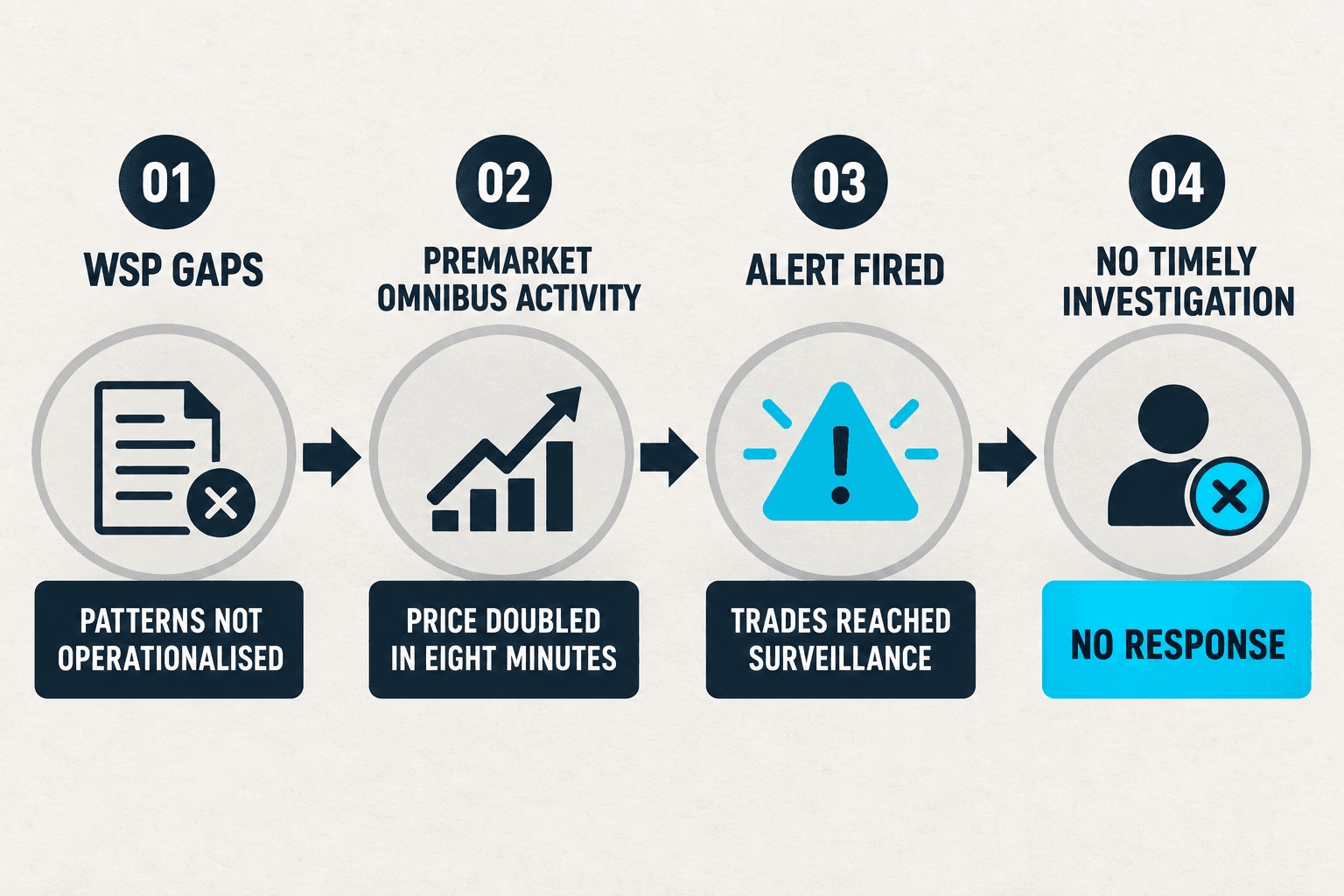
A low-priced stock doubled in eight minutes before the open, through a single omnibus account, and the trades tripped the firm's own surveillance alerts. Nobody looked. FINRA fined the firm for written procedures that never described the very patterns they were meant to catch.
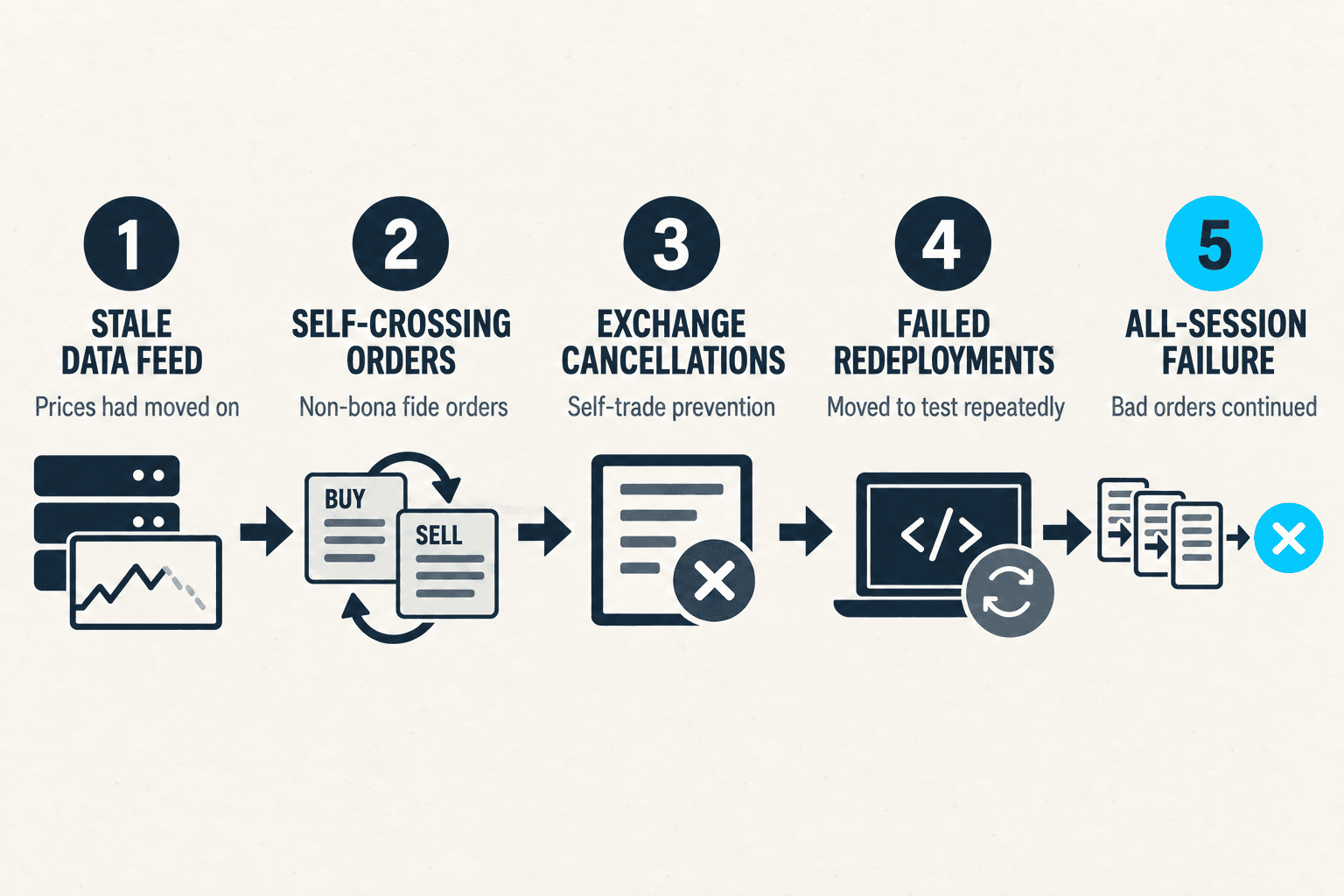
A firm's algorithm was fed a stale data feed, so it kept placing orders that tried to trade with itself. The exchange's safety net cancelled them. The firm tried to fix it, redeployed the system again and again, and it kept happening all session. This is one of the most common ways trading algorithms fail.
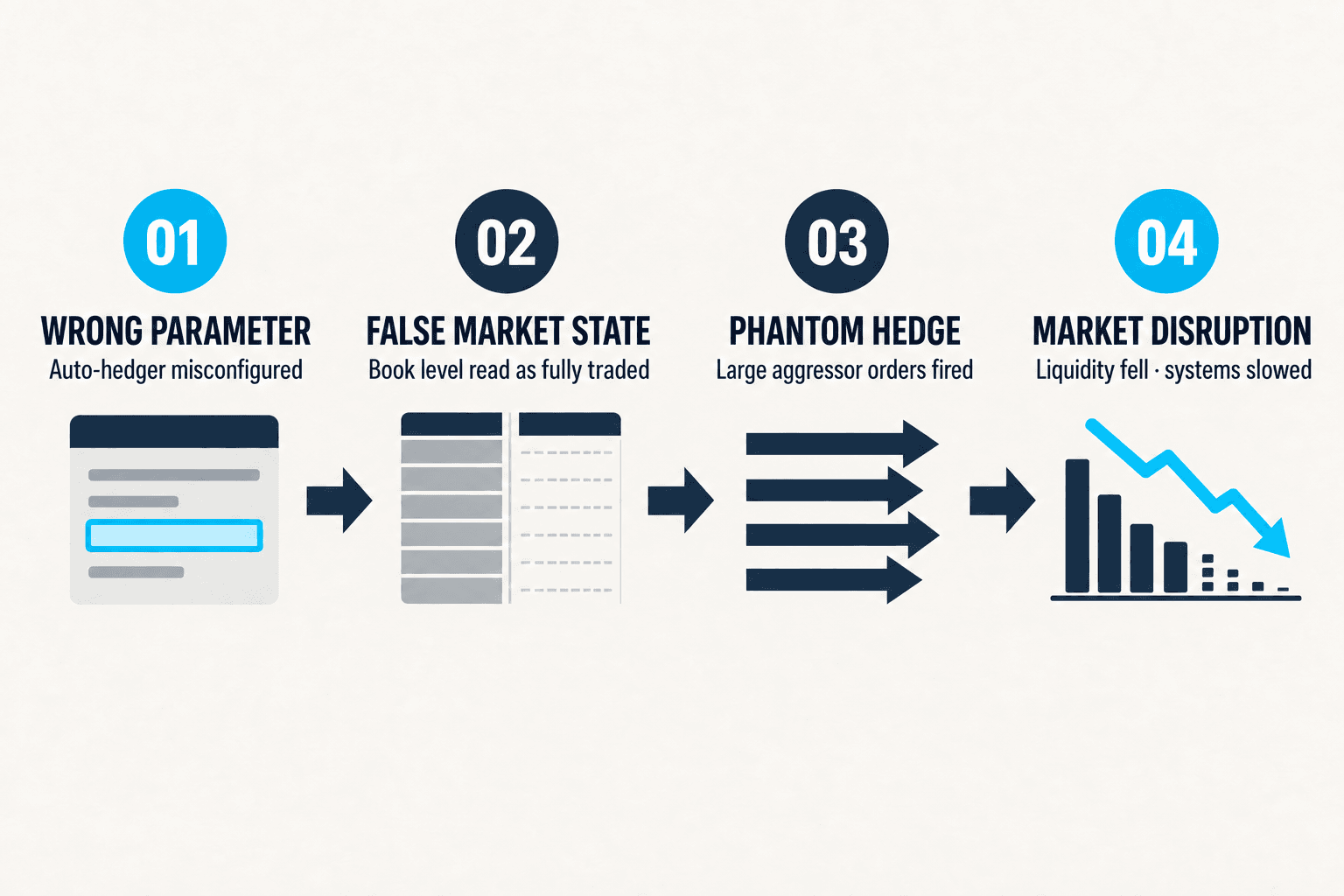
One wrong parameter told a firm's auto-hedger the whole book had traded. In seconds it fired large orders to cover a position that did not exist, drained liquidity from Treasury futures and jammed the exchange's match engine. This is how trading algorithms fail, and it is more common than the fines suggest.

The exchange lowered the fee for spread trades. Interactive Brokers kept billing customers the higher outright rate, paid the exchange the lower one, and pocketed the difference by accident for nearly six years. Nobody caught it until the CFTC asked. Supervision is not just about the trades; it is about the invoice.
A proprietary firm's spoofing surveillance was mis-tuned twice: first a monthly ratio too crude to see the pattern, then vendor parameters so tight an alert would fire only if a trader cancelled within one second. Both missed spoofing, layering, and disruptive quoting and trading activity. Calibration, not the absence of a system, is where trade surveillance quietly fails.

As annual market-access reviews get scheduled, this NYSE settlement is worth an hour of any risk team's time. A 1.85 million share order slipped under a broker-dealer's controls because a tool sliced it into pieces first, and the response made things worse. Here is every area that broke, and the review issues RegLabs regulatory analytics raise on each.